Copyright (C) 2023, Semrush Inc. This file is a part of Semrush Content Toolkit plugin for WordPress. Semrush Content Toolkit plugin for WordPress is free software: you can redistribute it and/or modify it under the terms of GNU General Public License as published by the Free Software Foundation, either version 2 of the License, or (at your opinion) any later version. Semrush Content Toolkit plugin for WordPress is distributed in the hope that it will be useful, but WITHOUT ANY WARRANTY; without even the implied warranty of MERCHANTABILITY or FITNESS FOR A PARTICULAR PURPOSE. See the GNU General Public License for more details. GNU GENERAL PUBLIC LICENSE Version 3, 29 June 2007 Copyright (C) 2007 Free Software Foundation, Inc. Everyone is permitted to copy and distribute verbatim copies of this license document, but changing it is not allowed. Preamble The GNU General Public License is a free, copyleft license for software and other kinds of works. The licenses for most software and other practical works are designed to take away your freedom to share and change the works. By contrast, the GNU General Public License is intended to guarantee your freedom to share and change all versions of a program--to make sure it remains free software for all its users. We, the Free Software Foundation, use the GNU General Public License for most of our software; it applies also to any other work released this way by its authors. You can apply it to your programs, too. When we speak of free software, we are referring to freedom, not price. Our General Public Licenses are designed to make sure that you have the freedom to distribute copies of free software (and charge for them if you wish), that you receive source code or can get it if you want it, that you can change the software or use pieces of it in new free programs, and that you know you can do these things. To protect your rights, we need to prevent others from denying you these rights or asking you to surrender the rights. Therefore, you have certain responsibilities if you distribute copies of the software, or if you modify it: responsibilities to respect the freedom of others. For example, if you distribute copies of such a program, whether gratis or for a fee, you must pass on to the recipients the same freedoms that you received. You must make sure that they, too, receive or can get the source code. And you must show them these terms so they know their rights. Developers that use the GNU GPL protect your rights with two steps: (1) assert copyright on the software, and (2) offer you this License giving you legal permission to copy, distribute and/or modify it. For the developers' and authors' protection, the GPL clearly explains that there is no warranty for this free software. For both users' and authors' sake, the GPL requires that modified versions be marked as changed, so that their problems will not be attributed erroneously to authors of previous versions. Some devices are designed to deny users access to install or run modified versions of the software inside them, although the manufacturer can do so. This is fundamentally incompatible with the aim of protecting users' freedom to change the software. The systematic pattern of such abuse occurs in the area of products for individuals to use, which is precisely where it is most unacceptable. Therefore, we have designed this version of the GPL to prohibit the practice for those products. If such problems arise substantially in other domains, we stand ready to extend this provision to those domains in future versions of the GPL, as needed to protect the freedom of users. Finally, every program is threatened constantly by software patents. States should not allow patents to restrict development and use of software on general-purpose computers, but in those that do, we wish to avoid the special danger that patents applied to a free program could make it effectively proprietary. To prevent this, the GPL assures that patents cannot be used to render the program non-free. The precise terms and conditions for copying, distribution and modification follow. TERMS AND CONDITIONS 0. Definitions. "This License" refers to version 3 of the GNU General Public License. "Copyright" also means copyright-like laws that apply to other kinds of works, such as semiconductor masks. "The Program" refers to any copyrightable work licensed under this License. Each licensee is addressed as "you". "Licensees" and "recipients" may be individuals or organizations. To "modify" a work means to copy from or adapt all or part of the work in a fashion requiring copyright permission, other than the making of an exact copy. The resulting work is called a "modified version" of the earlier work or a work "based on" the earlier work. A "covered work" means either the unmodified Program or a work based on the Program. To "propagate" a work means to do anything with it that, without permission, would make you directly or secondarily liable for infringement under applicable copyright law, except executing it on a computer or modifying a private copy. Propagation includes copying, distribution (with or without modification), making available to the public, and in some countries other activities as well. To "convey" a work means any kind of propagation that enables other parties to make or receive copies. Mere interaction with a user through a computer network, with no transfer of a copy, is not conveying. An interactive user interface displays "Appropriate Legal Notices" to the extent that it includes a convenient and prominently visible feature that (1) displays an appropriate copyright notice, and (2) tells the user that there is no warranty for the work (except to the extent that warranties are provided), that licensees may convey the work under this License, and how to view a copy of this License. If the interface presents a list of user commands or options, such as a menu, a prominent item in the list meets this criterion. 1. Source Code. The "source code" for a work means the preferred form of the work for making modifications to it. "Object code" means any non-source form of a work. A "Standard Interface" means an interface that either is an official standard defined by a recognized standards body, or, in the case of interfaces specified for a particular programming language, one that is widely used among developers working in that language. The "System Libraries" of an executable work include anything, other than the work as a whole, that (a) is included in the normal form of packaging a Major Component, but which is not part of that Major Component, and (b) serves only to enable use of the work with that Major Component, or to implement a Standard Interface for which an implementation is available to the public in source code form. A "Major Component", in this context, means a major essential component (kernel, window system, and so on) of the specific operating system (if any) on which the executable work runs, or a compiler used to produce the work, or an object code interpreter used to run it. The "Corresponding Source" for a work in object code form means all the source code needed to generate, install, and (for an executable work) run the object code and to modify the work, including scripts to control those activities. However, it does not include the work's System Libraries, or general-purpose tools or generally available free programs which are used unmodified in performing those activities but which are not part of the work. For example, Corresponding Source includes interface definition files associated with source files for the work, and the source code for shared libraries and dynamically linked subprograms that the work is specifically designed to require, such as by intimate data communication or control flow between those subprograms and other parts of the work. The Corresponding Source need not include anything that users can regenerate automatically from other parts of the Corresponding Source. The Corresponding Source for a work in source code form is that same work. 2. Basic Permissions. All rights granted under this License are granted for the term of copyright on the Program, and are irrevocable provided the stated conditions are met. This License explicitly affirms your unlimited permission to run the unmodified Program. The output from running a covered work is covered by this License only if the output, given its content, constitutes a covered work. This License acknowledges your rights of fair use or other equivalent, as provided by copyright law. You may make, run and propagate covered works that you do not convey, without conditions so long as your license otherwise remains in force. You may convey covered works to others for the sole purpose of having them make modifications exclusively for you, or provide you with facilities for running those works, provided that you comply with the terms of this License in conveying all material for which you do not control copyright. Those thus making or running the covered works for you must do so exclusively on your behalf, under your direction and control, on terms that prohibit them from making any copies of your copyrighted material outside their relationship with you. Conveying under any other circumstances is permitted solely under the conditions stated below. Sublicensing is not allowed; section 10 makes it unnecessary. 3. Protecting Users' Legal Rights From Anti-Circumvention Law. No covered work shall be deemed part of an effective technological measure under any applicable law fulfilling obligations under article 11 of the WIPO copyright treaty adopted on 20 December 1996, or similar laws prohibiting or restricting circumvention of such measures. When you convey a covered work, you waive any legal power to forbid circumvention of technological measures to the extent such circumvention is effected by exercising rights under this License with respect to the covered work, and you disclaim any intention to limit operation or modification of the work as a means of enforcing, against the work's users, your or third parties' legal rights to forbid circumvention of technological measures. 4. Conveying Verbatim Copies. You may convey verbatim copies of the Program's source code as you receive it, in any medium, provided that you conspicuously and appropriately publish on each copy an appropriate copyright notice; keep intact all notices stating that this License and any non-permissive terms added in accord with section 7 apply to the code; keep intact all notices of the absence of any warranty; and give all recipients a copy of this License along with the Program. You may charge any price or no price for each copy that you convey, and you may offer support or warranty protection for a fee. 5. Conveying Modified Source Versions. You may convey a work based on the Program, or the modifications to produce it from the Program, in the form of source code under the terms of section 4, provided that you also meet all of these conditions: a) The work must carry prominent notices stating that you modified it, and giving a relevant date. b) The work must carry prominent notices stating that it is released under this License and any conditions added under section 7. This requirement modifies the requirement in section 4 to "keep intact all notices". c) You must license the entire work, as a whole, under this License to anyone who comes into possession of a copy. This License will therefore apply, along with any applicable section 7 additional terms, to the whole of the work, and all its parts, regardless of how they are packaged. This License gives no permission to license the work in any other way, but it does not invalidate such permission if you have separately received it. d) If the work has interactive user interfaces, each must display Appropriate Legal Notices; however, if the Program has interactive interfaces that do not display Appropriate Legal Notices, your work need not make them do so. A compilation of a covered work with other separate and independent works, which are not by their nature extensions of the covered work, and which are not combined with it such as to form a larger program, in or on a volume of a storage or distribution medium, is called an "aggregate" if the compilation and its resulting copyright are not used to limit the access or legal rights of the compilation's users beyond what the individual works permit. Inclusion of a covered work in an aggregate does not cause this License to apply to the other parts of the aggregate. 6. Conveying Non-Source Forms. You may convey a covered work in object code form under the terms of sections 4 and 5, provided that you also convey the machine-readable Corresponding Source under the terms of this License, in one of these ways: a) Convey the object code in, or embodied in, a physical product (including a physical distribution medium), accompanied by the Corresponding Source fixed on a durable physical medium customarily used for software interchange. b) Convey the object code in, or embodied in, a physical product (including a physical distribution medium), accompanied by a written offer, valid for at least three years and valid for as long as you offer spare parts or customer support for that product model, to give anyone who possesses the object code either (1) a copy of the Corresponding Source for all the software in the product that is covered by this License, on a durable physical medium customarily used for software interchange, for a price no more than your reasonable cost of physically performing this conveying of source, or (2) access to copy the Corresponding Source from a network server at no charge. c) Convey individual copies of the object code with a copy of the written offer to provide the Corresponding Source. This alternative is allowed only occasionally and noncommercially, and only if you received the object code with such an offer, in accord with subsection 6b. d) Convey the object code by offering access from a designated place (gratis or for a charge), and offer equivalent access to the Corresponding Source in the same way through the same place at no further charge. You need not require recipients to copy the Corresponding Source along with the object code. If the place to copy the object code is a network server, the Corresponding Source may be on a different server (operated by you or a third party) that supports equivalent copying facilities, provided you maintain clear directions next to the object code saying where to find the Corresponding Source. Regardless of what server hosts the Corresponding Source, you remain obligated to ensure that it is available for as long as needed to satisfy these requirements. e) Convey the object code using peer-to-peer transmission, provided you inform other peers where the object code and Corresponding Source of the work are being offered to the general public at no charge under subsection 6d. A separable portion of the object code, whose source code is excluded from the Corresponding Source as a System Library, need not be included in conveying the object code work. A "User Product" is either (1) a "consumer product", which means any tangible personal property which is normally used for personal, family, or household purposes, or (2) anything designed or sold for incorporation into a dwelling. In determining whether a product is a consumer product, doubtful cases shall be resolved in favor of coverage. For a particular product received by a particular user, "normally used" refers to a typical or common use of that class of product, regardless of the status of the particular user or of the way in which the particular user actually uses, or expects or is expected to use, the product. A product is a consumer product regardless of whether the product has substantial commercial, industrial or non-consumer uses, unless such uses represent the only significant mode of use of the product. "Installation Information" for a User Product means any methods, procedures, authorization keys, or other information required to install and execute modified versions of a covered work in that User Product from a modified version of its Corresponding Source. The information must suffice to ensure that the continued functioning of the modified object code is in no case prevented or interfered with solely because modification has been made. If you convey an object code work under this section in, or with, or specifically for use in, a User Product, and the conveying occurs as part of a transaction in which the right of possession and use of the User Product is transferred to the recipient in perpetuity or for a fixed term (regardless of how the transaction is characterized), the Corresponding Source conveyed under this section must be accompanied by the Installation Information. But this requirement does not apply if neither you nor any third party retains the ability to install modified object code on the User Product (for example, the work has been installed in ROM). The requirement to provide Installation Information does not include a requirement to continue to provide support service, warranty, or updates for a work that has been modified or installed by the recipient, or for the User Product in which it has been modified or installed. Access to a network may be denied when the modification itself materially and adversely affects the operation of the network or violates the rules and protocols for communication across the network. Corresponding Source conveyed, and Installation Information provided, in accord with this section must be in a format that is publicly documented (and with an implementation available to the public in source code form), and must require no special password or key for unpacking, reading or copying. 7. Additional Terms. "Additional permissions" are terms that supplement the terms of this License by making exceptions from one or more of its conditions. Additional permissions that are applicable to the entire Program shall be treated as though they were included in this License, to the extent that they are valid under applicable law. If additional permissions apply only to part of the Program, that part may be used separately under those permissions, but the entire Program remains governed by this License without regard to the additional permissions. When you convey a copy of a covered work, you may at your option remove any additional permissions from that copy, or from any part of it. (Additional permissions may be written to require their own removal in certain cases when you modify the work.) You may place additional permissions on material, added by you to a covered work, for which you have or can give appropriate copyright permission. Notwithstanding any other provision of this License, for material you add to a covered work, you may (if authorized by the copyright holders of that material) supplement the terms of this License with terms: a) Disclaiming warranty or limiting liability differently from the terms of sections 15 and 16 of this License; or b) Requiring preservation of specified reasonable legal notices or author attributions in that material or in the Appropriate Legal Notices displayed by works containing it; or c) Prohibiting misrepresentation of the origin of that material, or requiring that modified versions of such material be marked in reasonable ways as different from the original version; or d) Limiting the use for publicity purposes of names of licensors or authors of the material; or e) Declining to grant rights under trademark law for use of some trade names, trademarks, or service marks; or f) Requiring indemnification of licensors and authors of that material by anyone who conveys the material (or modified versions of it) with contractual assumptions of liability to the recipient, for any liability that these contractual assumptions directly impose on those licensors and authors. All other non-permissive additional terms are considered "further restrictions" within the meaning of section 10. If the Program as you received it, or any part of it, contains a notice stating that it is governed by this License along with a term that is a further restriction, you may remove that term. If a license document contains a further restriction but permits relicensing or conveying under this License, you may add to a covered work material governed by the terms of that license document, provided that the further restriction does not survive such relicensing or conveying. If you add terms to a covered work in accord with this section, you must place, in the relevant source files, a statement of the additional terms that apply to those files, or a notice indicating where to find the applicable terms. Additional terms, permissive or non-permissive, may be stated in the form of a separately written license, or stated as exceptions; the above requirements apply either way. 8. Termination. You may not propagate or modify a covered work except as expressly provided under this License. Any attempt otherwise to propagate or modify it is void, and will automatically terminate your rights under this License (including any patent licenses granted under the third paragraph of section 11). However, if you cease all violation of this License, then your license from a particular copyright holder is reinstated (a) provisionally, unless and until the copyright holder explicitly and finally terminates your license, and (b) permanently, if the copyright holder fails to notify you of the violation by some reasonable means prior to 60 days after the cessation. Moreover, your license from a particular copyright holder is reinstated permanently if the copyright holder notifies you of the violation by some reasonable means, this is the first time you have received notice of violation of this License (for any work) from that copyright holder, and you cure the violation prior to 30 days after your receipt of the notice. Termination of your rights under this section does not terminate the licenses of parties who have received copies or rights from you under this License. If your rights have been terminated and not permanently reinstated, you do not qualify to receive new licenses for the same material under section 10. 9. Acceptance Not Required for Having Copies. You are not required to accept this License in order to receive or run a copy of the Program. Ancillary propagation of a covered work occurring solely as a consequence of using peer-to-peer transmission to receive a copy likewise does not require acceptance. However, nothing other than this License grants you permission to propagate or modify any covered work. These actions infringe copyright if you do not accept this License. Therefore, by modifying or propagating a covered work, you indicate your acceptance of this License to do so. 10. Automatic Licensing of Downstream Recipients. Each time you convey a covered work, the recipient automatically receives a license from the original licensors, to run, modify and propagate that work, subject to this License. You are not responsible for enforcing compliance by third parties with this License. An "entity transaction" is a transaction transferring control of an organization, or substantially all assets of one, or subdividing an organization, or merging organizations. If propagation of a covered work results from an entity transaction, each party to that transaction who receives a copy of the work also receives whatever licenses to the work the party's predecessor in interest had or could give under the previous paragraph, plus a right to possession of the Corresponding Source of the work from the predecessor in interest, if the predecessor has it or can get it with reasonable efforts. You may not impose any further restrictions on the exercise of the rights granted or affirmed under this License. For example, you may not impose a license fee, royalty, or other charge for exercise of rights granted under this License, and you may not initiate litigation (including a cross-claim or counterclaim in a lawsuit) alleging that any patent claim is infringed by making, using, selling, offering for sale, or importing the Program or any portion of it. 11. Patents. A "contributor" is a copyright holder who authorizes use under this License of the Program or a work on which the Program is based. The work thus licensed is called the contributor's "contributor version". A contributor's "essential patent claims" are all patent claims owned or controlled by the contributor, whether already acquired or hereafter acquired, that would be infringed by some manner, permitted by this License, of making, using, or selling its contributor version, but do not include claims that would be infringed only as a consequence of further modification of the contributor version. For purposes of this definition, "control" includes the right to grant patent sublicenses in a manner consistent with the requirements of this License. Each contributor grants you a non-exclusive, worldwide, royalty-free patent license under the contributor's essential patent claims, to make, use, sell, offer for sale, import and otherwise run, modify and propagate the contents of its contributor version. In the following three paragraphs, a "patent license" is any express agreement or commitment, however denominated, not to enforce a patent (such as an express permission to practice a patent or covenant not to sue for patent infringement). To "grant" such a patent license to a party means to make such an agreement or commitment not to enforce a patent against the party. If you convey a covered work, knowingly relying on a patent license, and the Corresponding Source of the work is not available for anyone to copy, free of charge and under the terms of this License, through a publicly available network server or other readily accessible means, then you must either (1) cause the Corresponding Source to be so available, or (2) arrange to deprive yourself of the benefit of the patent license for this particular work, or (3) arrange, in a manner consistent with the requirements of this License, to extend the patent license to downstream recipients. "Knowingly relying" means you have actual knowledge that, but for the patent license, your conveying the covered work in a country, or your recipient's use of the covered work in a country, would infringe one or more identifiable patents in that country that you have reason to believe are valid. If, pursuant to or in connection with a single transaction or arrangement, you convey, or propagate by procuring conveyance of, a covered work, and grant a patent license to some of the parties receiving the covered work authorizing them to use, propagate, modify or convey a specific copy of the covered work, then the patent license you grant is automatically extended to all recipients of the covered work and works based on it. A patent license is "discriminatory" if it does not include within the scope of its coverage, prohibits the exercise of, or is conditioned on the non-exercise of one or more of the rights that are specifically granted under this License. You may not convey a covered work if you are a party to an arrangement with a third party that is in the business of distributing software, under which you make payment to the third party based on the extent of your activity of conveying the work, and under which the third party grants, to any of the parties who would receive the covered work from you, a discriminatory patent license (a) in connection with copies of the covered work conveyed by you (or copies made from those copies), or (b) primarily for and in connection with specific products or compilations that contain the covered work, unless you entered into that arrangement, or that patent license was granted, prior to 28 March 2007. Nothing in this License shall be construed as excluding or limiting any implied license or other defenses to infringement that may otherwise be available to you under applicable patent law. 12. No Surrender of Others' Freedom. If conditions are imposed on you (whether by court order, agreement or otherwise) that contradict the conditions of this License, they do not excuse you from the conditions of this License. If you cannot convey a covered work so as to satisfy simultaneously your obligations under this License and any other pertinent obligations, then as a consequence you may not convey it at all. For example, if you agree to terms that obligate you to collect a royalty for further conveying from those to whom you convey the Program, the only way you could satisfy both those terms and this License would be to refrain entirely from conveying the Program. 13. Use with the GNU Affero General Public License. Notwithstanding any other provision of this License, you have permission to link or combine any covered work with a work licensed under version 3 of the GNU Affero General Public License into a single combined work, and to convey the resulting work. The terms of this License will continue to apply to the part which is the covered work, but the special requirements of the GNU Affero General Public License, section 13, concerning interaction through a network will apply to the combination as such. 14. Revised Versions of this License. The Free Software Foundation may publish revised and/or new versions of the GNU General Public License from time to time. Such new versions will be similar in spirit to the present version, but may differ in detail to address new problems or concerns. Each version is given a distinguishing version number. If the Program specifies that a certain numbered version of the GNU General Public License "or any later version" applies to it, you have the option of following the terms and conditions either of that numbered version or of any later version published by the Free Software Foundation. If the Program does not specify a version number of the GNU General Public License, you may choose any version ever published by the Free Software Foundation. If the Program specifies that a proxy can decide which future versions of the GNU General Public License can be used, that proxy's public statement of acceptance of a version permanently authorizes you to choose that version for the Program. Later license versions may give you additional or different permissions. However, no additional obligations are imposed on any author or copyright holder as a result of your choosing to follow a later version. 15. Disclaimer of Warranty. THERE IS NO WARRANTY FOR THE PROGRAM, TO THE EXTENT PERMITTED BY APPLICABLE LAW. EXCEPT WHEN OTHERWISE STATED IN WRITING THE COPYRIGHT HOLDERS AND/OR OTHER PARTIES PROVIDE THE PROGRAM "AS IS" WITHOUT WARRANTY OF ANY KIND, EITHER EXPRESSED OR IMPLIED, INCLUDING, BUT NOT LIMITED TO, THE IMPLIED WARRANTIES OF MERCHANTABILITY AND FITNESS FOR A PARTICULAR PURPOSE. THE ENTIRE RISK AS TO THE QUALITY AND PERFORMANCE OF THE PROGRAM IS WITH YOU. SHOULD THE PROGRAM PROVE DEFECTIVE, YOU ASSUME THE COST OF ALL NECESSARY SERVICING, REPAIR OR CORRECTION. 16. Limitation of Liability. IN NO EVENT UNLESS REQUIRED BY APPLICABLE LAW OR AGREED TO IN WRITING WILL ANY COPYRIGHT HOLDER, OR ANY OTHER PARTY WHO MODIFIES AND/OR CONVEYS THE PROGRAM AS PERMITTED ABOVE, BE LIABLE TO YOU FOR DAMAGES, INCLUDING ANY GENERAL, SPECIAL, INCIDENTAL OR CONSEQUENTIAL DAMAGES ARISING OUT OF THE USE OR INABILITY TO USE THE PROGRAM (INCLUDING BUT NOT LIMITED TO LOSS OF DATA OR DATA BEING RENDERED INACCURATE OR LOSSES SUSTAINED BY YOU OR THIRD PARTIES OR A FAILURE OF THE PROGRAM TO OPERATE WITH ANY OTHER PROGRAMS), EVEN IF SUCH HOLDER OR OTHER PARTY HAS BEEN ADVISED OF THE POSSIBILITY OF SUCH DAMAGES. 17. Interpretation of Sections 15 and 16. If the disclaimer of warranty and limitation of liability provided above cannot be given local legal effect according to their terms, reviewing courts shall apply local law that most closely approximates an absolute waiver of all civil liability in connection with the Program, unless a warranty or assumption of liability accompanies a copy of the Program in return for a fee. END OF TERMS AND CONDITIONS How to Apply These Terms to Your New Programs If you develop a new program, and you want it to be of the greatest possible use to the public, the best way to achieve this is to make it free software which everyone can redistribute and change under these terms. To do so, attach the following notices to the program. It is safest to attach them to the start of each source file to most effectively state the exclusion of warranty; and each file should have at least the "copyright" line and a pointer to where the full notice is found. Copyright (C) This program is free software: you can redistribute it and/or modify it under the terms of the GNU General Public License as published by the Free Software Foundation, either version 3 of the License, or (at your option) any later version. This program is distributed in the hope that it will be useful, but WITHOUT ANY WARRANTY; without even the implied warranty of MERCHANTABILITY or FITNESS FOR A PARTICULAR PURPOSE. See the GNU General Public License for more details. You should have received a copy of the GNU General Public License along with this program. If not, see . Also add information on how to contact you by electronic and paper mail. If the program does terminal interaction, make it output a short notice like this when it starts in an interactive mode: Copyright (C) This program comes with ABSOLUTELY NO WARRANTY; for details type `show w'. This is free software, and you are welcome to redistribute it under certain conditions; type `show c' for details. The hypothetical commands `show w' and `show c' should show the appropriate parts of the General Public License. Of course, your program's commands might be different; for a GUI interface, you would use an "about box". You should also get your employer (if you work as a programmer) or school, if any, to sign a "copyright disclaimer" for the program, if necessary. For more information on this, and how to apply and follow the GNU GPL, see . The GNU General Public License does not permit incorporating your program into proprietary programs. If your program is a subroutine library, you may consider it more useful to permit linking proprietary applications with the library. If this is what you want to do, use the GNU Lesser General Public License instead of this License. But first, please read . Deprescribing Mental Health Medications | Ambrosia | Florida

Deprescribing Mental Health Medications

Deprescribing mental health medications represents a critical facet of patient-centered care at Ambrosia Behavioral Health. This process involves the systematic reduction or discontinuation of medications that may no longer be deemed necessary or effective for a patient’s treatment plan. The growing recognition of the potential adverse effects associated with polypharmacy underscores the importance of deprescribing in mental health settings.

Over 90% of Patients are Open to Deprescribing if Recommended by Their Doctor.

What is a Deprescribing of Mental Health Medications?

Deprescribing of mental health medications refers to the systematic process of reducing or discontinuing psychoactive drugs in patients, particularly when the risks outweigh the benefits or when the original indications for treatment have changed. This practice has gained increasing attention due to the growing awareness of polypharmacy and its associated complications, especially in the elderly and individuals with long-term mental health issues.

Deprescribing aims to optimize pharmacotherapy by evaluating the continued necessity of each medication. This is particularly relevant for psychoactive medications such as antidepressants, antipsychotics, and anxiolytics, which may lead to adverse effects, dependence, and decreased quality of life. Mental health practitioners engage in deprescribing through collaborative decision-making with patients, considering factors like symptom severity, functional status, and personal preferences.

An effective deprescribing process necessitates careful planning, monitoring, and support from healthcare providers to mitigate withdrawal symptoms and ensure patient safety. Ultimately, deprescribing can enhance the overall therapeutic experience, potentially leading to improved mental health outcomes, a reduction in medication burden, and an increased focus on non-pharmacological interventions. As mental health continues to be a pivotal component of overall well-being, deprescribing represents a crucial element in the evolution of personalized psychiatric care.

Why is Deprescribing Important in Mental Health Treatment

Deprescribing, the systematic withdrawal of medications when they are deemed unnecessary or harmful, is an increasingly critical aspect of mental health treatment. As mental health conditions often require long-term pharmacological management, patients frequently find themselves taking multiple medications, which can lead to polypharmacy—a situation where the risk of adverse drug interactions and side effects increases significantly. Consequently, deprescribing emerges as a vital practice to enhance patient safety and overall treatment efficacy.

In the field of mental health, where medications may be prescribed for conditions such as depression, anxiety, or psychosis, the long-term use of certain pharmaceuticals can result in dependency or diminishing returns on therapeutic benefits. Moreover, the cognitive and functional impairments associated with psychotropic medications may exacerbate the underlying conditions rather than alleviate them. By evaluating the necessity of each prescribed medication, healthcare providers can tailor treatment plans that prioritize patients’ well-being and reduce the burden of unnecessary pharmacotherapy.

Furthermore, deprescribing fosters open communication between patients and providers, empowering individuals to engage in their treatment decisions. This collaborative approach not only enhances adherence to effective medications but also supports the overall recovery journey. In conclusion, deprescribing is essential for optimizing mental health treatment, minimizing risks, and promoting the holistic health of patients.

Deprescribing for Polypharmacy in Florida

Medications That Used to Work Not Working Anymore?
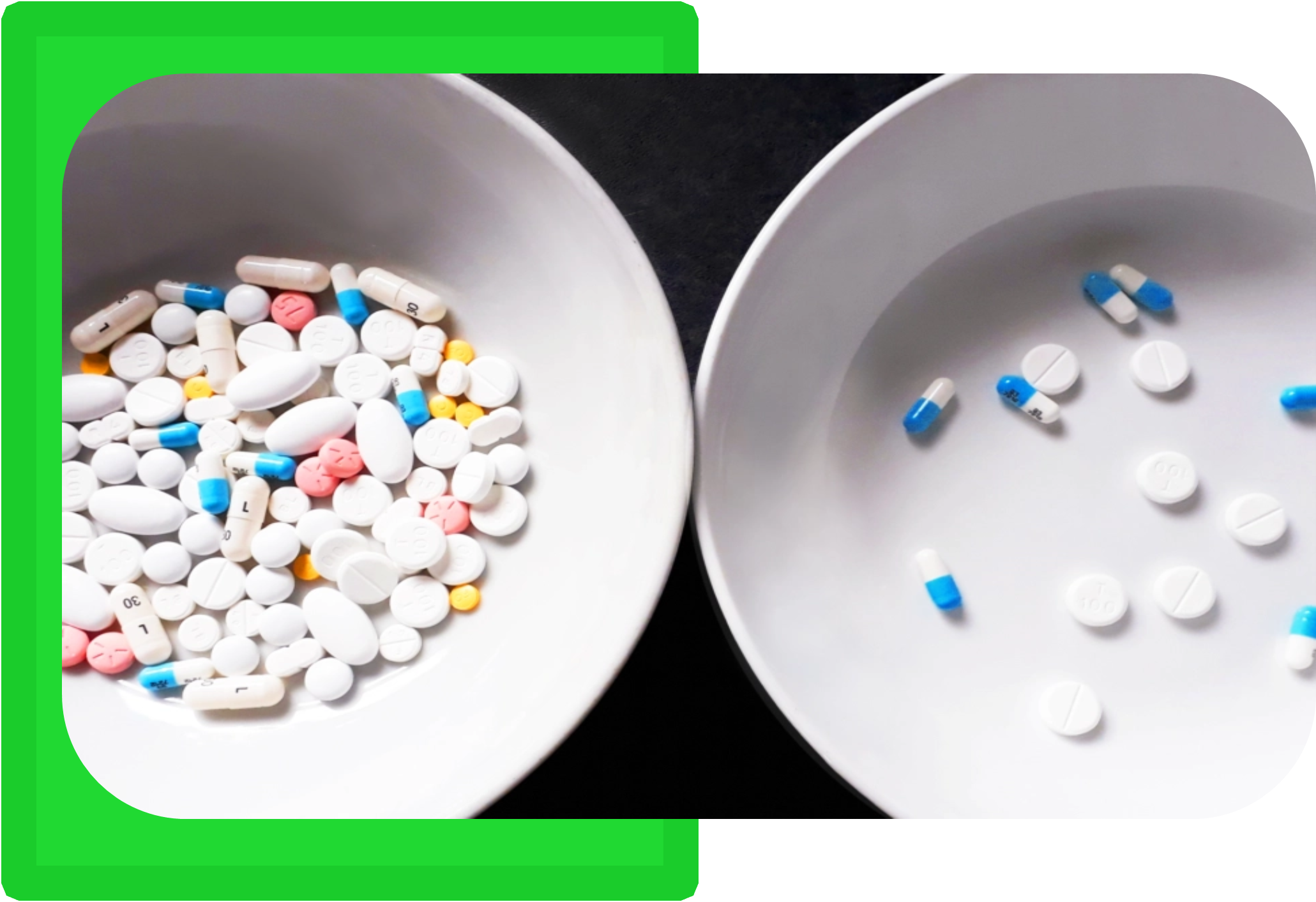
Neurobiological mechanisms, such as receptor sensitivity alterations or hormonal fluctuations, may influence a patient’s response to pharmacological agents. Over time, the brain might adapt to the presence of a medication, diminishing its therapeutic effects. Furthermore, the dynamic nature of mental health disorders, which can evolve due to stressors, trauma, or life circumstances, may render previously effective medications less suitable reinforcing deprescribing as an option.
Deprescribing, taking too many mental health medications, at Ambrosia Florida

The Process of Deprescribing Safely

Safely deprescribing mental health medications requires a nuanced approach that prioritizes patient safety and therapeutic effectiveness.  Initially, a comprehensive assessment of the patient’s current medication regimen is essential. This includes evaluating the indications for each medication, assessing ongoing efficacy, and reviewing potential adverse effects. A thorough patient history that encompasses the duration of treatment, response to medications, and previous experiences with deprescribing can provide crucial insights.

Once a detailed understanding is established, clinicians should engage in shared decision-making with the patient. This involves discussing the rationale for deprescribing, potential benefits, and risks, thus fostering an environment of trust and collaboration. Gradual tapering of medications is often advisable to mitigate withdrawal symptoms and minimize the risk of relapse into mental health issues.

Regular follow-up appointments are crucial during this process to monitor the patient’s mental health status and adjust the plan as necessary. Ultimately, deprescribing mental health medications safely necessitates a careful, individualized approach, ensuring a balance between reducing unnecessary medication burden and maintaining mental health stability.

Mental Health Conditions Where Deprescribing is Often Considered

There are various mental health conditions where overtime the original prescription becomes ineffective, which leads to the addition of other medications summed up in a term called polypharmacy.  Here are a few of the conditions often considered for deprescribing:

Deprescribing, the intentional reduction or discontinuation of medications, has emerged as a critical consideration in the management of schizophrenia, particularly in light of the extensive polypharmacy often associated with this disorder. Schizophrenia is predominantly treated with antipsychotic medications, which, while essential for mitigating symptoms, can lead to significant side effects and long-term health consequences. The phenomenon of polypharmacy can stem from the complex nature of schizophrenia, where patients frequently present with comorbid conditions necessitating additional pharmacological interventions.

Deprescribing, the process of tapering or discontinuing medications that may no longer be beneficial or may pose risk to patients, represents an important consideration in the management of bipolar disorder. This complex mental health condition frequently necessitates polypharmacy, as patients are often prescribed multiple medications to stabilize mood and mitigate the effects of comorbidities. However, the potential for adverse drug interactions and side effects can complicate treatment and diminish overall quality of life.

In the context of bipolar disorder, careful evaluation of current pharmacotherapy is crucial. Healthcare providers must assess the efficacy of ongoing medications, weighing their benefits against potential harms, particularly in cases of long-term treatment where the patient’s symptoms may have evolved. Deprescribing should be conducted with caution, involving patient-centric approaches that prioritize shared decision-making and informed consent.

Deprescribing, has gained significant attention in the context of anxiety management. The growing prevalence of anxiolytic medications, particularly benzodiazepines, has raised concerns regarding long-term dependency and adverse side effects. Deprescribing aims to mitigate these risks while ensuring that patients maintain adequate control over their anxiety symptoms.

Evidence suggests that in certain populations, particularly older adults, the prolonged use of these medications can lead to cognitive decline, increased fall risk, and diminished quality of life. Consequently, a structured deprescribing strategy can be instrumental in promoting safer treatment modalities. This process typically involves reevaluating a patient’s medication regimen, assessing the necessity of each agent, and considering alternative therapies, such as cognitive-behavioral therapy or mindfulness interventions.

It is essential to ensure that patients are adequately informed of the potential benefits of deprescribing and the strategies to manage withdrawal symptoms or anxiety resurgence. Ultimately, effective deprescribing for anxiety can foster improved mental health outcomes while prioritizing patient safety and well-being.

Deprescribing  is an emerging practice in the management of major depressive disorder (MDD). The treatment landscape for MDD often involves polypharmacy, with patients frequently prescribed multiple psychotropic medications, leading to heightened risks of adverse effects and medication interactions. Given that long-term antidepressant use may not always correlate with improved outcomes, deprescribing serves as a critical intervention aimed at optimizing therapeutic regimens.

The rationale for deprescribing in MDD is rooted in a patient-centered approach that emphasizes individual needs and treatment efficacy. Many patients experience symptom resolution, thus diminishing the necessity for continued pharmacotherapy. Furthermore, evidence suggests that some individuals may function equivalently with reduced or no medication after a period of sustained recovery.

Deprescribing  is a critical consideration in the management of substance use disorder (SUD). Individuals grappling with SUD often present with complex medication regimens that may include opioids, benzodiazepines, or other psychoactive substances, which can exacerbate their condition or impede recovery. The dangerous interplay between these medications and substance dependence necessitates a re-evaluation of their prescribing practices.

Implementing deprescribing strategies requires a nuanced and multidisciplinary approach. Healthcare professionals must conduct thorough assessments to identify medications contributing to the patient’s substance use, considering both pharmacological interactions and the potential for withdrawal. This process should include patient education and involvement—empowering individuals to engage in their treatment and recognize the importance of establishing a drug-free lifestyle.

Furthermore, the role of alternative therapeutic options, such as behavioral therapies and non-addictive medications, should be emphasized to support patients through the withdrawal process and reduce cravings. Ultimately, effective deprescribing within the context of SUD not only promotes safety and enhances the overall treatment outcome but also fosters a more compassionate approach to care, emphasizing recovery and rehabilitation over mere symptom management.

In the context of obsessive-compulsive disorder (OCD), a condition often treated with selective serotonin reuptake inhibitors (SSRIs) and, at times, antipsychotics, the concept of deprescribing warrants careful consideration.

While pharmacotherapy can effectively alleviate symptoms of OCD, long-term use of these medications may lead to adverse effects, dependency, or decreased efficacy. Therefore, a systematic approach to deprescribing could enhance patient outcomes by minimizing medication burden while evaluating the continuation of therapeutic benefits. Key factors influencing successful deprescribing include the severity of OCD symptoms, duration of treatment, and patient-specific considerations such as age, comorbidities, and personal treatment goals.

Benefits of Deprescribing

Deprescribing, the systematic process of reducing or discontinuing medications, offers significant benefits for patient health and wellbeing. As polypharmacy becomes increasingly common, especially among elderly populations, the potential for medication-related adverse effects and drug interactions rises. By carefully evaluating a patient’s medication regimen, healthcare providers can identify unnecessary or harmful prescriptions, thereby enhancing patient safety.

One of the primary advantages of deprescribing is the improvement in patients’ quality of life. Reduction of medications can lead to fewer side effects, decreased pill burden, and a better overall sense of wellbeing. This is particularly important for older adults who often experience multiple comorbidities and frequently take several medications, increasing the risk of adverse reactions.

Furthermore, deprescribing can empower patients by fostering greater involvement in their own healthcare decisions. When patients understand the rationale behind medication adjustments, they often feel more in control of their health. Additionally, deprescribing can lead to more efficient healthcare resource utilization by minimizing healthcare costs associated with polypharmacy.

Deprescribing represents a vital strategy in modern pharmacotherapy, promoting safer medication practices, enhancing quality of life, and optimizing healthcare resources. Ensuring a judicious approach to medication management is essential in advancing patient-centered care.

Deprescribing Mental health medications that are not working anymore is the answer

Medications Considered for Deprescribing

Deprescribing necessitates a comprehensive review of a patient’s medication regimen, considering the individual patient’s health status, preferences, and goals of care. By prioritizing safer and more effective therapeutic strategies, healthcare providers can improve patient outcomes and enhance the quality of life.

Deprescribing is a critical aspect of modern pharmacotherapy, particularly concerning the management of antipsychotic medications such as chlorpromazine. Chlorpromazine, a first-generation antipsychotic, has been widely utilized in the treatment of schizophrenia and other psychiatric disorders since its introduction in the 1950s. However, its long-term usage raises concerns regarding adverse effects, including sedation, weight gain, and the risk of extrapyramidal symptoms.

The process of deprescribing chlorpromazine involves the systematic evaluation of a patient’s medication regimen to identify opportunities for reducing or discontinuing unnecessary or harmful medications. This practice is grounded in the understanding that polypharmacy can exacerbate health risks, particularly in older adults or those with multiple comorbidities. Deprescribing should be carried out judiciously, guided by a comprehensive assessment of the patient’s clinical condition, treatment goals, and the potential risks associated with withdrawing therapy.

Deprescribing, the systematic process of withdrawing inappropriate medications, is increasingly recognized as a critical component of patient-centered care, particularly for older adults and individuals with complex health profiles. Haloperidol, an antipsychotic frequently prescribed for various psychiatric conditions, including schizophrenia and acute agitation, poses significant risks, particularly in elderly populations. These risks include extrapyramidal symptoms, cognitive decline, and cardiovascular complications, which exacerbate existing comorbidities.

The process of deprescribing haloperidol necessitates a thorough assessment of the patient’s clinical status, including the evaluation of the ongoing necessity of antipsychotic therapy versus the potential benefits of withdrawal. A collaborative approach that involves the healthcare team, patients, and caregivers is essential to address concerns and expectations regarding the discontinuation of medication. Gradual tapering is often recommended to minimize withdrawal effects and monitor the re-emergence of symptoms, thus ensuring safety during the transition.

Furthermore, substitutive interventions such as psychotherapy or behavioral strategies may be employed to support the individual during the deprescribing process. By fostering a comprehensive understanding of the implications of haloperidol use and advocating for its careful discontinuation, healthcare providers can optimize treatment regimens, enhance patient quality of life, and minimize the potential for adverse effects.

Deprescribing, the systematic process of reducing or discontinuing medications, plays a critical role in optimizing therapeutic regimens, particularly in older adults or those on polypharmacy. Loxapine, an atypical antipsychotic used primarily in the management of schizophrenia and acute mania, presents particular considerations for deprescribing.

The necessity of deprescribing loxapine may arise from various factors, including the emergence of adverse effects such as sedation, weight gain, and extrapyramidal symptoms. Furthermore, individuals may experience a declining therapeutic benefit over time, necessitating a careful reevaluation of the medication’s appropriateness.

Prior to initiating deprescribing, clinicians should undertake a comprehensive review of the patient’s psychiatric history, current clinical status, and personal goals for treatment. A gradual tapering strategy is recommended to mitigate withdrawal symptoms and monitor for the reemergence of psychiatric symptoms. Engaging the patient in shared decision-making enhances adherence to the deprescribing process and respects their autonomy.

Aripiprazole, an atypical antipsychotic, is primarily indicated for the treatment of schizophrenia, bipolar disorder, and as an adjunct in major depressive disorder. However, prolonged use raises concerns about adverse effects, including metabolic syndrome, movement disorders, and cognitive impairment.

The deprescribing process involves a careful assessment of the patient’s current clinical status, consideration of the benefits and risks of continuing aripiprazole, and exploration of alternative therapeutic options. It is paramount that healthcare providers engage in shared decision-making with patients, ensuring they are informed about the potential consequences of discontinuation. Gradual tapering of the medication is recommended to mitigate withdrawal symptoms and prevent relapse of the underlying psychiatric condition.

Implementing a deprescribing protocol for aripiprazole not only enhances patient safety but also optimizes treatment outcomes, promoting a patient-centered approach in mental health care.

Clozapine, an atypical antipsychotic, is primarily utilized in the treatment of refractory schizophrenia. While it offers significant therapeutic benefits, particularly for treatment-resistant symptoms, it is accompanied by a spectrum of adverse effects that necessitate careful management. Deprescribing, has emerged as a critical consideration in the context of clozapine treatment.

The decision to deprescribe clozapine must be approached with caution, given its unique pharmacological profile and the potential for withdrawal effects or exacerbation of psychiatric symptoms. Clinicians should conduct a comprehensive review of the patient’s clinical status, weighing the benefits of continued treatment against the risks associated with long-term use. Factors such as the presence of debilitating side effects, the patient’s quality of life, and the overall treatment goals should inform the decision-making process.

In practice, a gradual tapering of the dosage may be advisable to mitigate withdrawal symptoms and to monitor for potential recurrence of psychosis. Moreover, interdisciplinary collaboration among psychiatrists, pharmacists, and primary care providers is essential to ensure a safe and effective deprescribing process. Ultimately, the goal is to optimize the patient’s treatment regimen, reducing the burden of unnecessary pharmacotherapy while maintaining symptom control.

Deprescribing olanzapine, an atypical antipsychotic widely used to manage conditions such as schizophrenia and bipolar disorder, represents a critical clinical intervention aimed at optimizing patient outcomes and minimizing adverse effects. The long-term use of olanzapine is often associated with significant side effects, including metabolic syndrome, weight gain, and sedation, which can substantially affect patients’ quality of life.

The process of deprescribing requires a comprehensive assessment of the patient’s current treatment regimen, including a careful evaluation of the benefits versus the risks associated with continued olanzapine therapy. Clinicians must consider factors such as the patient’s mental health status, the severity of symptoms, and potential withdrawal effects when contemplating dosage reduction or discontinuation.

Moreover, effective communication between healthcare providers and patients is essential during this process. Educating patients about the rationale for deprescribing, potential withdrawal symptoms, and alternative treatment strategies fosters adherence and helps manage expectations. Collaborative approaches involving multidisciplinary teams can enhance the effectiveness of deprescribing protocols, ensuring that patients receive comprehensive care tailored to their individual needs.

Deprescribing olanzapine is a nuanced but necessary practice that can significantly improve patient well-being, ultimately leading to better health outcomes while minimizing the burden of long-term pharmacotherapy.

Deprescribing of paliperidone, an atypical antipsychotic primarily used in the treatment of schizophrenia and schizoaffective disorder, has gained increasing attention in clinical practice. This process, defined as the intentional reduction or discontinuation of chronic medications, is crucial in optimizing therapeutic regimens and minimizing the risk of adverse drug reactions, particularly in vulnerable populations.

Paliperidone’s side effects, including metabolic syndrome, extrapyramidal symptoms, and cardiovascular complications, necessitate careful consideration when evaluating long-term treatment plans. Deprescribing should be guided by rigorous clinical assessment, involving both patient-centered discussions and consideration of the individual’s overall health status, psychiatric history, and treatment goals. The gradual tapering of paliperidone must be monitored closely to mitigate withdrawal symptoms and the risk of relapse.

Evidence suggests that successful deprescribing can enhance patient quality of life and promote greater adherence to treatment protocols by reducing pill burden and associated side effects. Furthermore, interdisciplinary collaboration among psychiatrists, pharmacists, and primary care providers is essential to ensure safety and efficacy during this process. Given the complexities surrounding antipsychotic medications, the practice of deprescribing paliperidone can play a pivotal role in fostering personalized health care and improving outcomes for individuals with severe mental illness.

Deprescribing is an essential practice in the management of pharmacotherapy, particularly in patients receiving quetiapine, an atypical antipsychotic primarily indicated for schizophrenia and bipolar disorder. Despite its therapeutic benefits, quetiapine is associated with significant adverse effects, including metabolic syndrome, sedation, and potential cardiovascular complications. This necessitates a careful evaluation of its continued use, particularly in older adults and those on polypharmacy regimens.

The process of deprescribing quetiapine should begin with a comprehensive assessment of the patient’s clinical status, including symptom control, side effects, and the therapeutic goals desired. Gradual tapering of the medication is often recommended to minimize withdrawal symptoms and the re-emergence of the original condition. Psychiatrists and primary care providers must engage patients in shared decision-making, emphasizing the rationale for deprescribing and encouraging adherence to non-pharmacological interventions.

Moreover, the development of guidelines and monitoring protocols is critical to ensure safe deprescribing practices. As the landscape of mental health treatment evolves, integrating deprescribing into routine care may not only enhance patient outcomes but also mitigate unnecessary healthcare costs associated with prolonged antipsychotic use. Ultimately, judicious deprescribing of quetiapine aligns with a patient-centered approach, prioritizing individual well-being.

Deprescribing in the context of antipsychotic medications such as Risperidone holds particular significance due to the potential for long-term side effects, including metabolic syndrome, tardive dyskinesia, and other neurological conditions. Risperidone, an atypical antipsychotic primarily used in the treatment of schizophrenia and bipolar disorder, can contribute to a substantial burden of polypharmacy, particularly among elderly populations where the risk of adverse effects is heightened.

The deprescribing of risperidone should be approached judiciously, involving a thorough assessment of the patient’s clinical status, medication history, and the potential benefits versus risks of continuing the medication. A gradual tapering process, alongside close monitoring for the emergence of withdrawal symptoms or symptom relapse, is essential to optimize outcomes. Furthermore, engaging patients in shared decision-making fosters adherence and may alleviate anxiety associated with medication cessation. Ultimately, the goal of deprescribing risperidone is to enhance the quality of life for patients by minimizing the reliance on pharmacotherapy while ensuring adequate management of their underlying psychiatric conditions.

Deprescribing, the systematic process of tapering or discontinuing medications, is particularly relevant in the context of benzodiazepines such as clonazepam. Clonazepam, primarily indicated for disorders such as anxiety and seizures, presents significant risks, including dependence, tolerance, and adverse cognitive effects, particularly in older adults. The practice of deprescribing is essential in mitigating these risks, promoting safer medication use, and enhancing patient outcomes.

Evidence suggests that gradual tapering of clonazepam can lead to improved cognitive function and overall quality of life in patients. The process involves a comprehensive assessment of the patient’s medication regimen, careful consideration of potential withdrawal symptoms, and the implementation of non-pharmacological alternatives such as cognitive-behavioral therapy or lifestyle modifications.

Successful deprescribing requires a collaborative approach, wherein healthcare providers engage patients in discussions about the risks and benefits of continued clonazepam use. By prioritizing shared decision-making, clinicians can foster adherence and support patients in navigating the complexities of reducing or discontinuing benzodiazepine therapy.

Deprescribing of alprazolam, a benzodiazepine widely used for the treatment of anxiety and panic disorders, is a critical aspect of patient-centered care in contemporary medicine. This approach addresses the potential risks associated with long-term benzodiazepine use, including dependence, tolerance, and adverse cognitive effects. As clinical guidelines increasingly advocate for the reduction or discontinuation of such medications, the process of deprescribing must be approached judiciously and systematically.

Moreover, the deprescribing process should incorporate a gradual tapering schedule to mitigate withdrawal symptoms and minimize the risk of rebound anxiety. Follow-up appointments are essential to monitor the patient’s progress and adjust treatment plans accordingly. Ultimately, prudent deprescribing of alprazolam enhances patient safety and promotes improved mental health outcomes, aligning with the overarching goal of optimizing patient care.

Gabapentin, commonly prescribed for neuropathic pain and seizure disorders, has gained prominence in clinical settings; however, concerns regarding its long-term use warrant careful consideration of deprescribing practices.

Gabapentin’s side effects, including dizziness, sedation, and cognitive impairment, particularly in elderly patients, can significantly impact quality of life and exacerbate comorbidities. Furthermore, the potential for misuse, especially among patients with a history of substance use disorders, underscores the necessity for careful evaluation of its ongoing necessity.

While gabapentin can be beneficial for many patients, the principles of deprescribing serve to enhance patient safety and optimize therapeutic outcomes. As healthcare providers increasingly recognize the importance of medication management, gabapentin presents a critical candidate for reassessment, emphasizing the need for individualized patient-centered care.

Deprescribing of antipsychotics is a critical aspect of psychiatric care, particularly for individuals experiencing polypharmacy or those whose conditions have stabilized. This process involves the systematic reduction or discontinuation of antipsychotic medications, ostensibly to minimize potential side effects and improve overall patient well-being. Evidence suggests that long-term use of antipsychotics can lead to significant adverse effects, including metabolic syndrome, extrapyramidal symptoms, and cognitive decline. Therefore, the evaluation of the necessity of these medications is paramount.

The principles of deprescribing necessitate a patient-centered approach. Clinicians must undertake a comprehensive assessment of the patient’s psychiatric symptoms, medication history, and quality of life. Collaborative decision-making with patients and their families strengthens adherence to the deprescribing protocol. Furthermore, monitoring during the deprescribing process is essential to identify any resurgence of symptoms or withdrawal effects.

Emerging research supports the gradual tapering of antipsychotic dosages, indicating that many patients can achieve stabilization without their continued use. Ultimately, deprescribing antipsychotics stands as an integral practice in enhancing patient safety, promoting shared decision-making, and fostering a healthier therapeutic environment, thus aligning medication use with individual patient needs and treatment goals.

Deprescribing benzodiazepines is a critical intervention in modern pharmacotherapy, especially considering the rising awareness of potential adverse effects associated with long-term use of these medications. Benzodiazepines, widely used for their anxiolytic and sedative properties, carry significant risks, including dependency, cognitive impairment, and an increased likelihood of falls and fractures in elderly populations.

In the context of benzodiazepines, this process of deprescribing must be carefully structured, often requiring a multidisciplinary approach that includes healthcare providers, patients, and their families. A gradual tapering schedule is advised to mitigate withdrawal symptoms and minimize patient discomfort.

Recent studies highlight the importance of individualized care plans that incorporate patient education and support during the deprescribing process. Engaging patients in discussions regarding the risks versus benefits of continued benzodiazepine use fosters informed decision-making, which is paramount for successful outcomes. Ultimately, the goal of deprescribing benzodiazepines is to enhance patient safety, improve overall well-being, and promote healthier alternatives for managing anxiety and sleep disorders within the framework of comprehensive patient care.

Deprescribing of selective serotonin reuptake inhibitors (SSRIs) has emerged as a crucial consideration in psychiatric care. SSRIs, widely prescribed for depression and anxiety disorders, are associated with both therapeutic benefits and potential long-term repercussions, including adverse effects and dependency. As patients may remain on these medications for extended periods, the practice of deprescribing aims to mitigate health risks and enhance patient outcomes.

The process of deprescribing requires a careful assessment of the individual’s mental health status, considering factors such as symptom severity, duration of treatment, and previous treatment responses. Collaborative decision-making between patient and clinician is vital, ensuring that the rationale for deprescribing is clearly communicated and that patients are supported throughout the process. Withdrawal symptoms and the potential for relapse must be anticipated and managed effectively, often necessitating a gradual tapering of the dosage.

Research indicates that many patients can successfully discontinue SSRIs without significant deterioration in their mental health. However, the lack of comprehensive guidelines on deprescribing SSRIs underscores the need for ongoing research and the development of standardized protocols. Ultimately, a judicious approach to deprescribing SSRIs can foster a more personalized mental health strategy, promoting overall well-being while minimizing the risks associated with long-term pharmacotherapy.

Deprescribing of serotonin-norepinephrine reuptake inhibitors (SNRIs) has emerged as a crucial consideration in the realm of pharmacological management of mood disorders. SNRIs are commonly prescribed for conditions such as major depressive disorder and generalized anxiety disorder owing to their efficacy in elevating mood and alleviating anxiety symptoms. However, prolonged use can lead to a host of adverse effects, including increased blood pressure, sexual dysfunction, and withdrawal symptoms upon discontinuation.

The practice of deprescribing involves systematically reviewing a patient’s medication regimen, assessing the necessity of ongoing therapy, and making informed decisions to reduce polypharmacy and enhance patient safety. In the context of SNRIs, deprescribing should be approached with caution, employing gradual tapering strategies to mitigate withdrawal effects. Clinicians must engage in collaborative decision-making with patients, ensuring that they understand the rationale behind deprescribing and addressing any concerns about symptom recurrence.

Moreover, clinical guidelines advocate for periodic reassessment of the therapeutic benefit versus the risks associated with long-term SNRI use. As the understanding of mental health and its treatment advances, deprescribing plays an increasingly pivotal role in optimizing therapeutic outcomes and improving patients’ quality of life, thereby aligning medication management with contemporary standards of care.

Deprescribing of mood stabilizers is an essential consideration in the management of mental health, particularly for patients with bipolar disorder and other mood disorders. As the prevalence of polypharmacy increases among this population, it becomes imperative to evaluate the necessity of ongoing pharmacotherapy. Mood stabilizers, such as lithium, valproate, and atypical antipsychotics, are crucial in mood regulation; however, long-term use can lead to potential adverse effects, including renal impairment, metabolic syndrome, and cognitive deterioration.

The deprescribing process requires a comprehensive assessment of the patient’s current mental health status, treatment history, and overall quality of life. Engaging patients in shared decision-making is vital, as it allows individuals to express their medication experiences and preferences. Clinicians should carefully taper and monitor medications to mitigate withdrawal symptoms and mood destabilization, ensuring the patient’s safety and well-being throughout the process.

Furthermore, the incorporation of non-pharmacological interventions, such as psychotherapy and lifestyle modifications, can enhance treatment outcomes and provide a robust support system for patients transitioning off mood stabilizers. Ultimately, anosognosia, stigma, and clinical inertia must be addressed to facilitate effective deprescribing, promoting a holistic approach to mental health treatment that prioritizes patient autonomy and informed decision-making.

Deprescribing: Why Use Less, Stop or Change Medications

Deprescribing is an increasingly recognized practice in mental health care, aimed at optimizing patient outcomes by reducing, stopping, or changing medications. This approach is essential as it addresses the potential for polypharmacy—simultaneously prescribing multiple drugs—which poses significant risks to patients, including adverse drug interactions, increased side effects, and diminished adherence to treatment regimens.

Mental health medications, while beneficial for many, often come with a host of complications. Over time, patients may find themselves on a regimen that no longer aligns with their evolving therapeutic needs. Factors such as changes in diagnosis, the emergence of new treatment guidelines, or the patient’s personal circumstances necessitate a reevaluation of their medication. Deprescribing, therefore, ensures that treatment is both effective and humane, aligning with the principle of “do no harm.”

Furthermore, the psychosocial aspects of mental health care cannot be overstated. Reducing medication burden fosters a sense of autonomy and empowerment among patients, encouraging them to engage more actively in their treatment processes. Ultimately, deprescribing serves as a critical strategy to enhance patient well-being, promote optimal therapeutic outcomes, and reduce unnecessary healthcare expenditures, all while prioritizing the holistic approach to mental health care.

Ambrosia Behavioral Health’s Specialty and Extensive Experience in Deprescribing

Ambrosia Behavioral Health distinguishes itself through its specialty and extensive experience in the practice of deprescribing, an emerging critical dimension of contemporary pharmacological care. Deprescribing refers to the systematic reduction or elimination of medications, particularly those deemed unnecessary, potentially harmful, or counterproductive to a patient’s health outcomes. With a comprehensive understanding of the complexities associated with polypharmacy, especially among vulnerable populations, Ambrosia employs evidence-based strategies to optimize patients’ medication regimens.

The organization has cultivated a team of experienced clinicians proficient in evaluating the risks versus benefits of medications, engaging in shared decision-making with patients and their families. The deprescribing process at Ambrosia is characterized by thorough assessments, tailored therapeutic goals, and continuous monitoring to ensure patient safety and improved health outcomes. This meticulous approach not only alleviates the burden of excessive medication but also fosters a holistic framework for mental and behavioral health.

Furthermore, Ambrosia Behavioral Health remains committed to advancing the field of deprescribing through ongoing research, staff training, and community education. By merging clinical expertise with a patient-centered philosophy, Ambrosia upholds the paramount principle that optimal health is achieved not merely through medication, but through conscientious and informed medical practice.


Unsatisfied with Your Medications or Curious About Better Options? Consider Ambrosia's Deprescribing Program.

What if the answer to feeling better lies in revisiting your medication list? Imagine a scenario where reducing polypharmacy, the use of multiple medications, results in improved health outcomes and enhanced well-being. With its commitment to patient-centered care, Ambrosia’s deprescribing program invites you to embark on a journey of exploration, opening doors to potentially safer and more effective mental health treatment options.
Scroll to Top